DUBBING
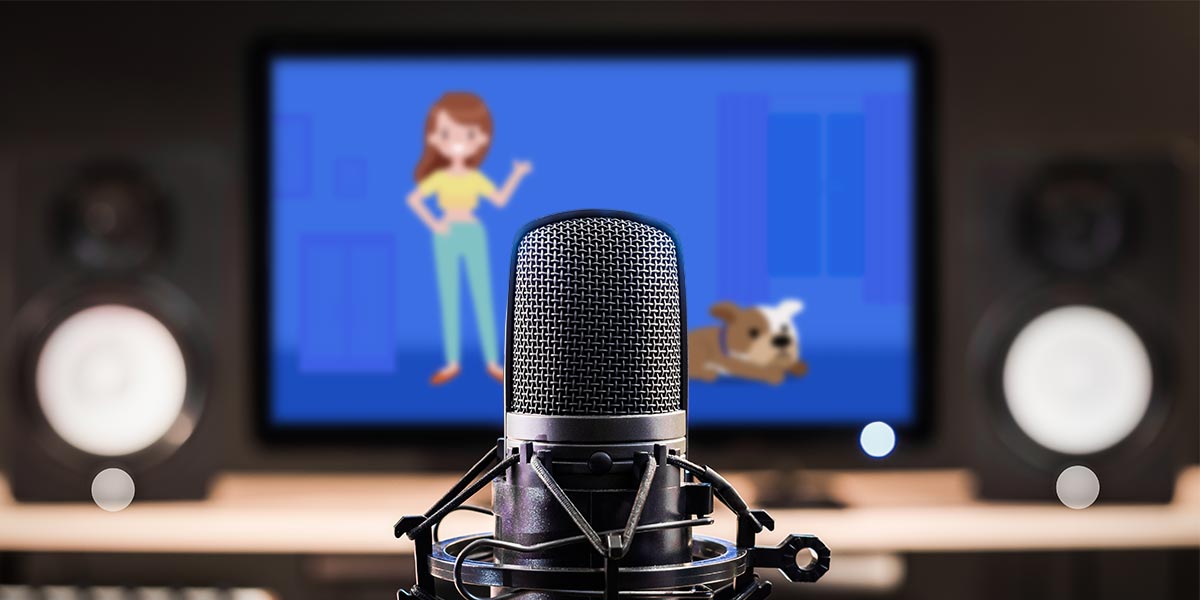
Dubbing is the technique that involves replacing the original dialogue generated in an audiovisual production with new dialogue, ensuring that it is perfectly synchronized both in timing and phonetic lip movements with the original dialogue.
Students are allowed to watch their dubbing video recordings as many times as they want, which is highly beneficial for achieving better results. You can check your own oral productions in English and thus improve them in terms of lip synchronization accuracy with the characters' dialogues, pronunciation, and intonation, as you have the reference of a native English speaker.
The most important thing is to try to imitate the original model shown by the character, both in tone of voice and in timing and speed.
TIPS
- Pay attention to the character/actor/actress body language in order to understand better his or her emotions in that scene.
- Listen carefully to the original audio, paying special attention to the intonation and stressed words. Try to imitate the original intonation to sound more natural.
- Practice before recording the audio
References
Álvarez Santamaría, L. (2023). Como actores de doblaje en educación primaria: una experiencia de doblaje para mejorar la expresión oral en inglés. https://digibuo.uniovi.es/dspace/bitstream/handle/10651/69763/Como%20actores%20de%20doblaje%20en%20educaci%C3%B3n%20primaria_una%20experiencia%20de%20doblaje%20para%20mejorar%20la%20expresi%C3%B3n%20oral%20en%20ingl%C3%A9s.pdf?sequence=1